



How is yerba mate produced?
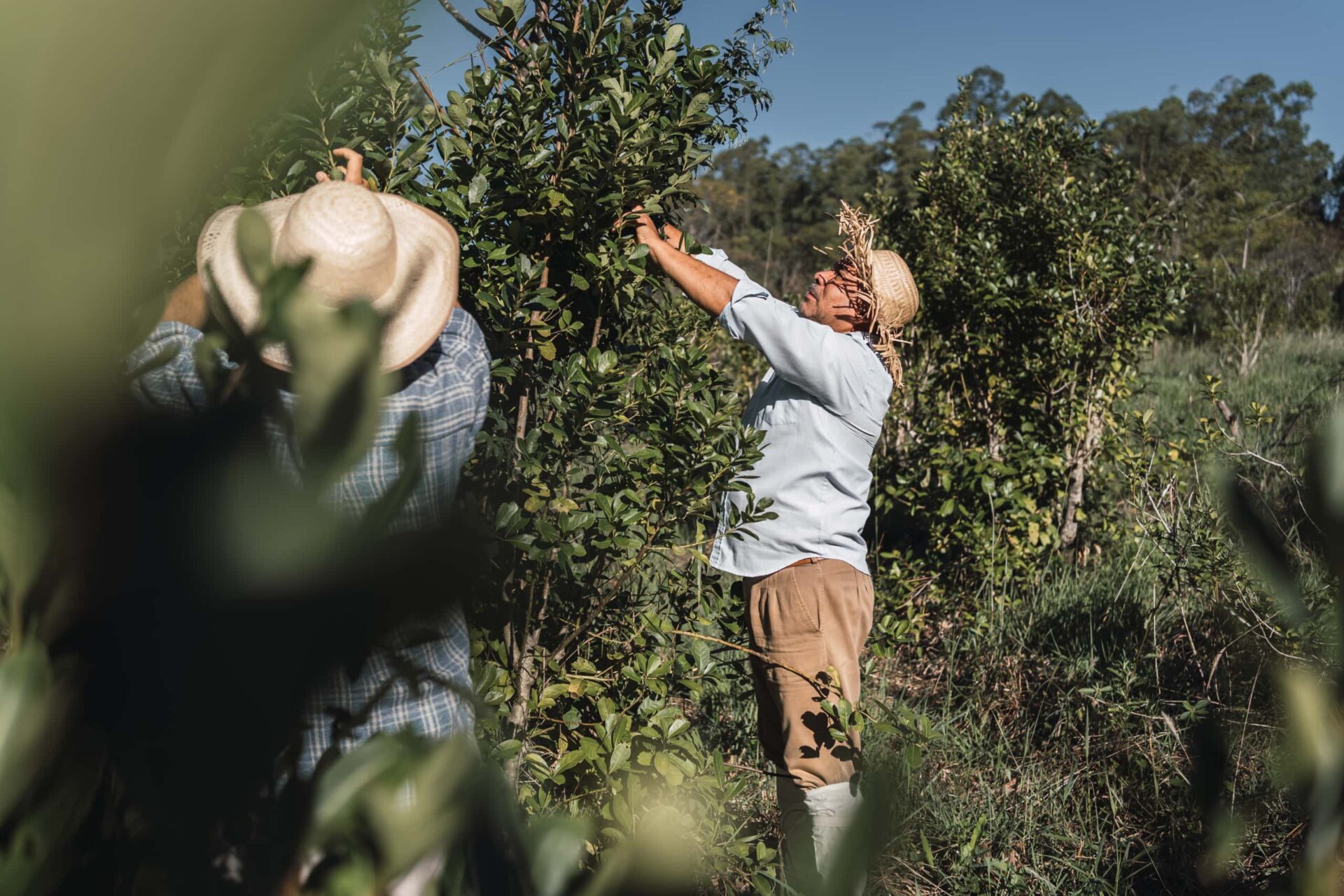

Yerba mate is a traditional drink from South America that has become popular all over the world. It is made from the leaves of an evergreen shrub called Ilex paraguariensis and is known for its unique flavour and health benefits. The production of yerba mate involves a complex process that begins with sowing and ends with packaging. Let’s take a look at each step of the yerba mate production process.
Sowing
The first step in the production of yerba mate is sowing, which usually takes place in late summer or early autumn. This stage requires high-quality seeds, which are planted in well-prepared soil enriched with nutrients to ensure optimal growth. After planting, watering and fertilisation are required to ensure good germination.
Cultivation
Once the seeds have germinated, they must be carefully nurtured so that they can develop into healthy plants. During cultivation, careful attention must be paid to the amount of light and water the plants receive, as these factors can affect the quality and flavour of the plants when they are harvested later on. Furthermore, farmers must regularly check their crops for pests or diseases that could reduce the yield or compromise the quality of the final product.
Harvesting
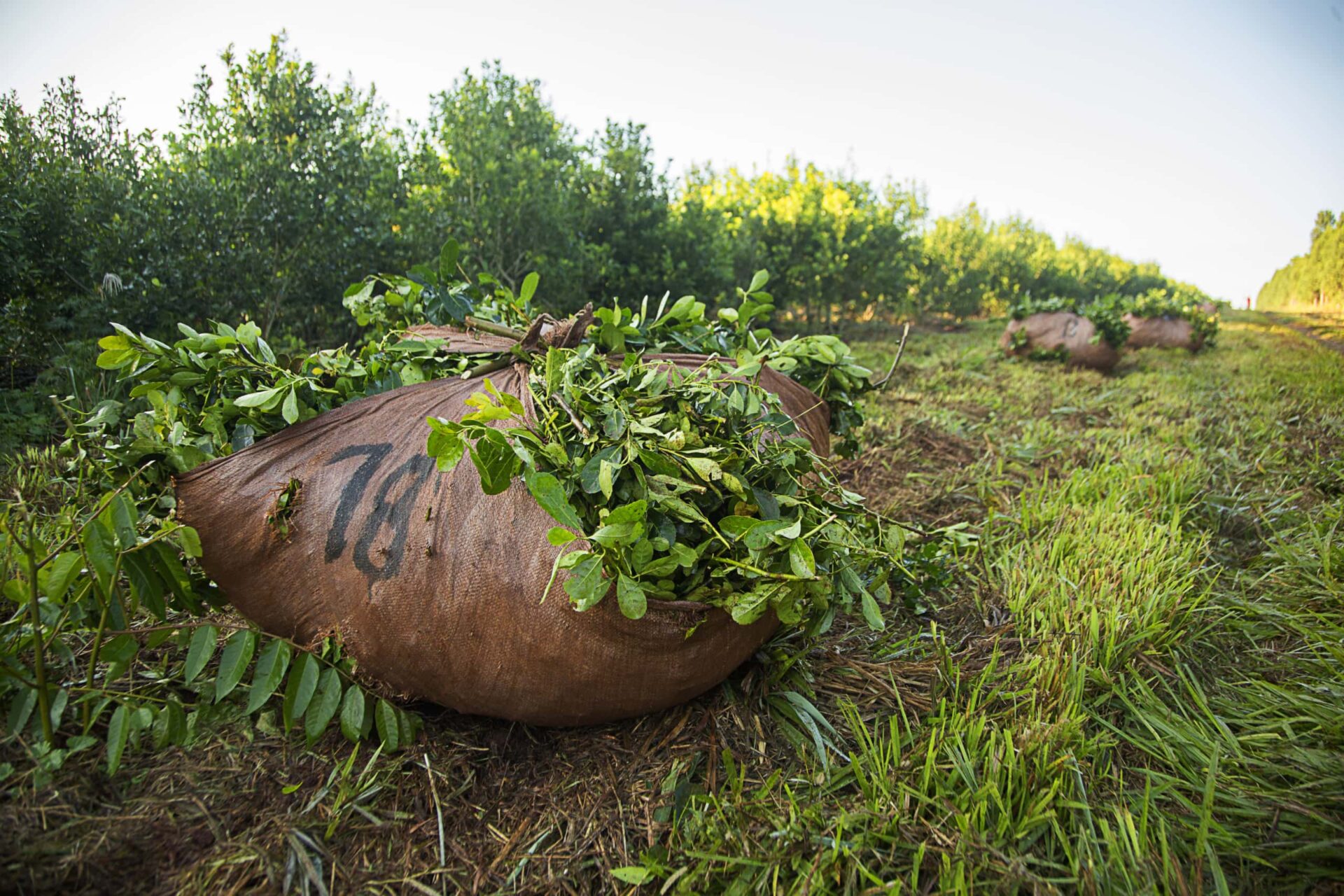
When it is time to harvest, the farmers cut mature branches from the Ilex paraguariensis bushes using machetes or pruning shears. They then remove all remaining leaves from those branches and collect them in baskets for transport to the processing plant, where further sorting takes place. As part of this process, only leaves that are healthy enough are selected for further processing – damaged leaves are discarded immediately as they can impart an unpleasant taste to the end product.
Drying and roasting
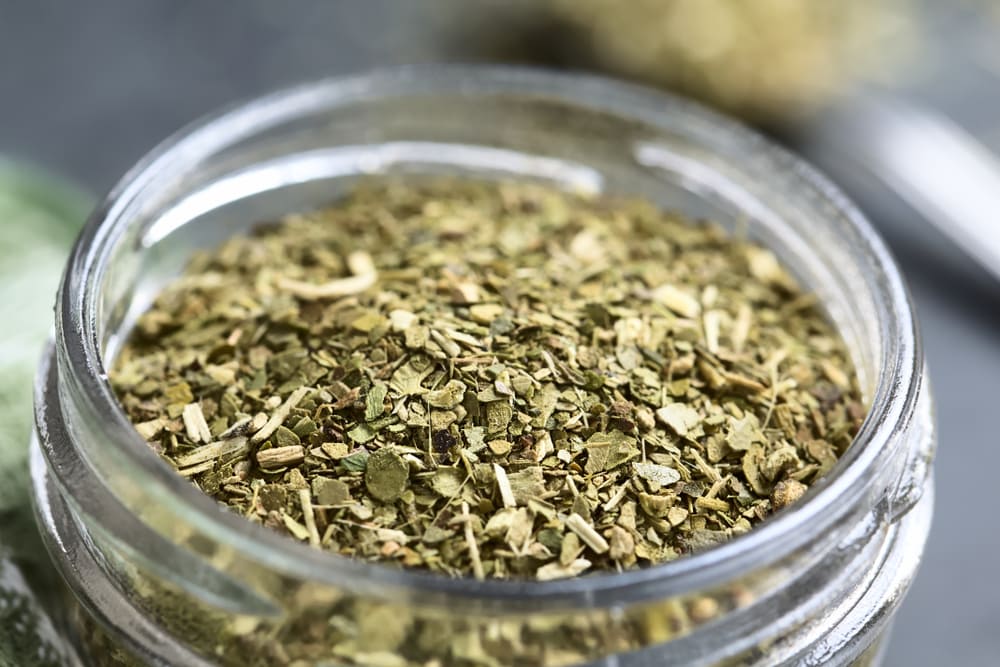
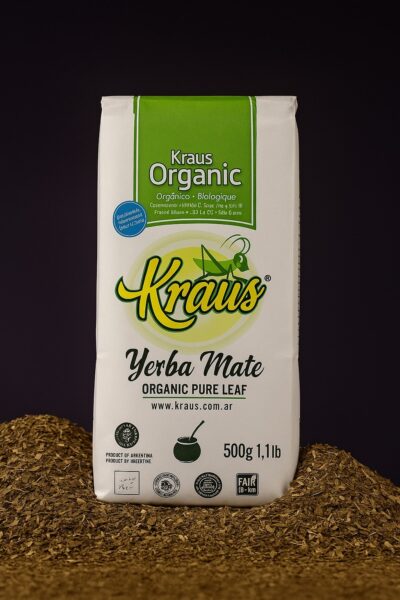
Once all the selected leaves have been gathered, they must be dried and roasted, which brings out their flavour and preserves them at the same time. During the drying process, the leaves are spread out on tarpaulins until most of the moisture has evaporated – this usually takes 12 to 24 hours, depending on weather conditions such as humidity and the outside temperature during that period. Once they are dry enough, they are roasted in large ovens at temperatures between 120°C and 130°C. The duration depends on how dark the farmer wants the end product to be – some prefer lightly roasted yerba mate, whilst others prefer darker varieties with a more intense flavour profile. For example, the brand Kraus They take care not to roast their leaves, which gives them a more grassy flavour.
Blending and packaging
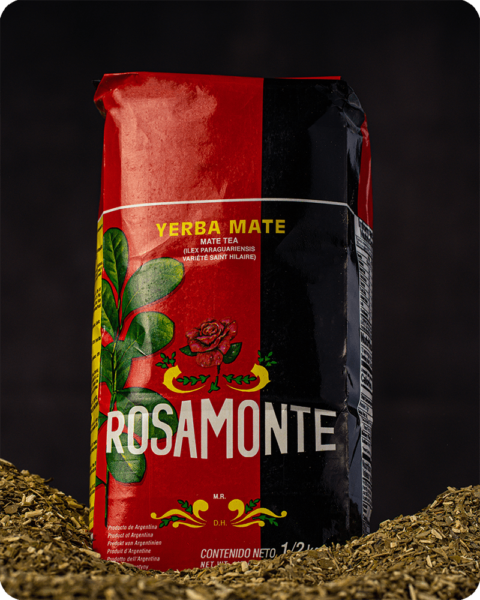
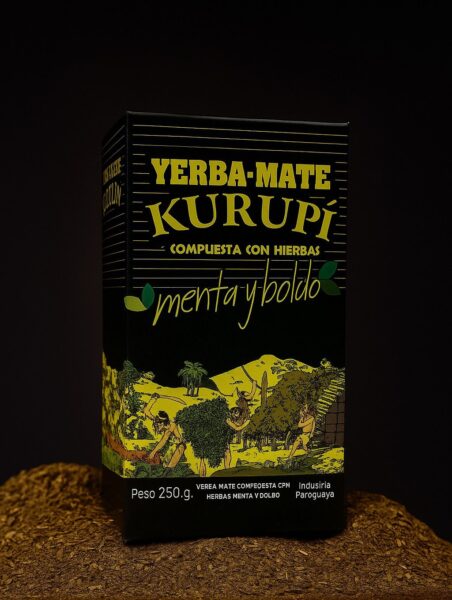
Once all the processing stages have been successfully completed, it is finally time to blend and package the yerba mate according to the various recipes currently available on the market. To ensure that consumers get a consistent result with every cup, manufacturers apply strict criteria when creating blends. This involves combining specific proportions of different varieties or even blending different harvest batches from the same season (for added complexity). Furthermore, most producers also add small quantities of natural flavourings such as dried orange peel, mint or cinnamon bark to the blends before they are packed into individual retail packs. The CBSé brand is particularly well known for this. Whether you prefer a flavour with forest fruits, tropical fruits, lemon, honey, or mint looking for. They’ve got them all!
In conclusion
Producing high-quality yerba mate requires a great deal of knowledge about how best to cultivate, harvest, dry, roast and, ultimately, package the leaves of the Ilex paraguariensis shrubs. All these efforts, however, pay off when the consumer opens a packet and smells that characteristic yerba mate aroma. This is all thanks to the hard work of passionate farmers who have spent years perfecting their craft and passing it down through the generations.
Thank you for reading!